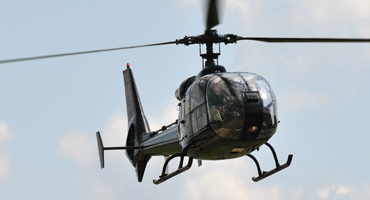
Ground Preparation
Build the knowledge behind weather, aircraft systems, navigation, and flight decisions. Compare the study options before you enroll.

Choosing a helicopter flight school is a decision about how you will learn, not just where you will fly. Helicopter Academy offers helicopter training for a first flight, personal flying, or a professional goal. Start with your experience, the time you can commit, and what you want to achieve; we will help you work out the next useful step.
Our helicopter school has trained pilots since 1986. Today, our flight training uses the Robinson R22, with South Florida flight operations at North Perry Airport in Pembroke Pines. Prepare on the ground, fly with a clear objective, and leave with feedback you can use. That is a practical way to make helicopter flying lessons count without rushing your progress.
Choose the option that matches the decision in front of you. A new student may be ready for ground preparation and a first certificate; an experienced pilot may need a specific rating. For professional goals, review how the stages connect before deciding what to book.
Ground Preparation
Build the knowledge behind weather, aircraft systems, navigation, and flight decisions. Compare the study options before you enroll.

Private Pilot Helicopter
Develop your first helicopter certificate through aircraft control, sound judgment, and progressively more independent flying.
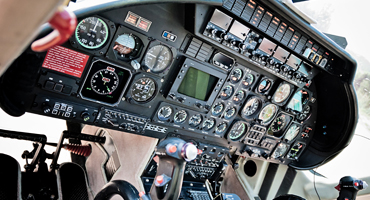
Commercial Pilot Helicopter
Prepare for commercial privileges with focused proficiency work and a plan based on your certificates and logged experience.

Professional Pilot Path
Connect the qualifications, study, scheduling, and experience-building decisions behind a professional helicopter pilot goal.
Compare Training Costs and Financing Options before choosing dates. Our Training Locations directory can help you identify an area; confirm current availability with us. Read practical lesson-preparation articles in the Helicopter Academy Pilot Journal.
Effective helicopter flight training brings aircraft control, knowledge, and judgment together. You should understand the purpose of a flight and the decision behind a maneuver—not just repeat an input. Our approach to rotorcraft training connects preparation, instruction, and feedback so you can recognize your progress and the next skill to develop.
| Component | Includes |
|---|---|
| Rotorcraft Knowledge | Study aerodynamics, systems, weather, regulations, navigation, and performance in time to use them in the next lesson. Ask how a concept changes a practical flying decision. |
| Structured Flight Lessons | Build aircraft handling, takeoffs, approaches, landings, navigation, and emergency-procedure knowledge at the appropriate stage, with a clear objective for each flight. |
| Instructor Feedback | Use the debrief to identify what improved, what needs practice, and what to prepare before returning. Useful feedback makes the next lesson more purposeful. |
| Consistent Scheduling | Choose a lesson rhythm that fits study, work, travel, and funding. Allow for weather and availability instead of treating a calendar estimate as a guarantee. |
| Progress Planning | Review the next proficiency milestone, test, or qualification early enough to arrange the study and availability it needs. Ask which stages are included or separately planned. |
Tell us your experience, available days, and the kind of flying you hope to do. For South Florida, discuss commuting to North Perry Airport or traveling for a training block. We will help you compare a realistic starting point, current availability, and what to prepare before committing.
Begin with your goal, available days, and previous flying experience. An introductory lesson can help you experience the aircraft and instructor relationship before a larger commitment. Start ground preparation while you confirm the course and flight arrangements.
Compare the aircraft and instructor availability, lesson structure, debriefs, complete quote, and plan for your next qualification. Use the safety and maintenance guide to prepare questions. Look for clear answers about the instruction you will actually receive, not only an attractive starting price.
Yes. Your instructor introduces the aircraft and skills appropriate to your starting point. You do not need to know aviation terminology or already understand the controls. Come ready to prepare, ask questions, and learn progressively.
It can when your available days and the school’s schedule align. Discuss study time, travel, and a sustainable lesson rhythm before booking. The training timeline guide explains the planning questions; actual progress and availability determine the schedule.
It combines rotorcraft knowledge, aircraft handling, and decision-making. Depending on the stage, that includes systems, weather, airspace, planning, communication, navigation, emergency procedures, and preparation for the applicable FAA tests.
Helicopter Academy currently uses the Robinson R22 for flight training. Review the R22 fleet guide and confirm aircraft fit, lesson availability, and any applicable requirements when arranging your course.
Our South Florida flight operations are at North Perry Airport in Pembroke Pines. Review Training Locations for other areas and confirm current aircraft, instructor, and program availability before making travel plans. Location listings are not a guarantee that every course is available at every airport.
Yes. The initial conversation establishes which goal you have and the experience you bring. Explore Private Pilot Helicopter Training for the first certificate or the Career Pilot Training Program for the connected professional route.
See Helicopter Flight Training in Action
See helicopter lessons, instructor guidance, and practice in context. For a closer look at preparing between flights, explore the Pilot Journal. Your schedule and progress will depend on your experience and the training plan.